
Embarking on the journey of Marriage Counseling for Financial Issues: Saving Relationships Through Money Talks, the discussion delves into the critical connection between finances and relationships, offering insights that can transform how couples navigate money matters.
Exploring the nuances of financial counseling, this topic sheds light on the profound impact of effective communication and strategic planning in fostering financial harmony within relationships.
Importance of Marriage Counseling for Financial Issues
Addressing financial issues in a relationship is crucial for its well-being as money problems can significantly impact the dynamics between partners. Financial stress can lead to arguments, resentment, and even separation if not properly handled. Marriage counseling provides a safe space for couples to openly discuss their financial concerns, understand each other's perspectives, and work together towards solutions.
Impact of Financial Stress on Relationships
Financial stress can strain a relationship by causing tension, mistrust, and communication breakdowns. Couples may experience anxiety, frustration, and a sense of powerlessness when dealing with financial issues. This can lead to a negative cycle of blame and conflict, further deteriorating the relationship.
Marriage counseling offers tools and strategies to help couples navigate these challenges and strengthen their bond.
Common Financial Issues and Counseling Solutions
- Unequal financial contributions: Counseling can help establish fair financial agreements based on each partner's income and expenses to avoid resentment and conflicts.
- Different spending habits: Therapists can assist in creating a budget that accommodates both partners' preferences and helps them align their financial goals.
- Debt management: Counselors can provide guidance on debt repayment strategies and financial planning to overcome debt-related stress and improve financial stability.
- Lack of financial transparency: Counseling sessions can promote open communication about money matters, fostering trust and accountability within the relationship.
Role of Communication in Marriage Counseling for Financial Issues

Effective communication plays a crucial role in resolving financial conflicts within a relationship. When it comes to money matters, miscommunication and misunderstandings can lead to tension, arguments, and even breakdowns in the relationship. Therefore, open and honest communication is essential to address financial issues and work towards a common goal.
Techniques for Improving Communication
Counselors often use various techniques to enhance communication between partners regarding financial matters. These may include active listening, setting aside dedicated time to discuss finances, practicing empathy, and using "I" statements to express feelings without blaming the other person. By creating a safe space for both partners to share their thoughts and concerns, counselors can help improve understanding and foster effective communication.
Significance of Open and Honest Discussions
Open and honest discussions about money are key to strengthening the relationship. By openly discussing financial goals, priorities, and concerns, couples can align their values and work together towards a shared future. Transparency in financial matters builds trust and promotes teamwork, creating a solid foundation for the relationship to weather any financial challenges that may arise.
Strategies for Financial Planning in Marriage Counseling
Financial planning is crucial for the success of any marriage, especially when it comes to managing money effectively. Counselors often recommend various strategies to help couples navigate financial challenges and achieve financial harmony in their relationship.
Short-term vs. Long-term Financial Goals
When it comes to financial planning in marriage counseling, it is essential to distinguish between short-term and long-term financial goals. Short-term goals typically involve immediate financial needs, such as paying off debt or building an emergency fund. On the other hand, long-term goals focus on retirement planning, saving for a house, or investing for the future.
Couples need to prioritize both types of goals to ensure a balanced approach to financial planning.
- Short-term goals provide a sense of achievement and financial security in the present.
- Long-term goals help couples build wealth and secure their financial future.
- It is important to strike a balance between short-term and long-term goals to avoid financial strain and ensure financial stability over time.
Creating a Joint Financial Plan
To achieve financial harmony, couples need to create a joint financial plan that aligns with their shared values and goals. Here are some tips on how couples can create a solid financial plan together:
- Start by discussing your individual financial goals and values openly and honestly.
- Set specific and measurable financial goals that you both agree on, whether they are short-term or long-term.
- Establish a budget that Artikels your income, expenses, and savings goals, ensuring that both partners have a say in the decision-making process.
- Regularly review and adjust your financial plan as needed to accommodate any changes in your financial situation or goals.
Effective communication and compromise are key to creating a successful joint financial plan in marriage counseling.
Addressing Power Dynamics in Financial Decision-Making
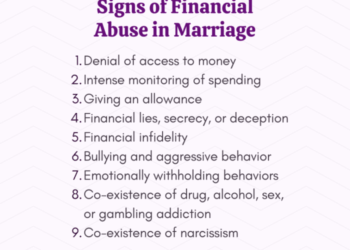
Power dynamics can significantly impact financial decision-making within a relationship. When one partner has more control over the finances, it can lead to feelings of inequality, resentment, and lack of trust. This imbalance can result in disagreements, arguments, and even financial infidelity.
It is crucial for counselors to address these power dynamics to ensure both partners feel heard, valued, and respected in financial matters.
Ways Counselors Can Help Partners Navigate Differences
- Encouraging open and honest communication: Counselors can facilitate conversations where both partners can express their financial goals, concerns, and values without fear of judgment.
- Establishing shared financial goals: By helping couples create joint financial objectives, counselors can promote teamwork and collaboration in decision-making.
- Setting boundaries and guidelines: Counselors can assist in establishing clear boundaries around financial responsibilities and decision-making processes to prevent power struggles.
Examples of Addressing Power Imbalances
- Empowering the less dominant partner: Counselors can empower the partner with less financial control by providing them with tools, resources, and knowledge to participate actively in financial discussions.
- Encouraging compromise and understanding: By promoting compromise and understanding, counselors can help partners find common ground and make joint decisions that benefit the relationship.
- Resolving underlying issues: Addressing deeper relationship issues that contribute to power imbalances can lead to more effective financial discussions and decision-making.
Conclusion
As we conclude our exploration of Marriage Counseling for Financial Issues: Saving Relationships Through Money Talks, it becomes evident that open dialogue, mutual understanding, and collaborative financial planning are pivotal in preserving and strengthening the bond between partners.
Top FAQs
How can financial counseling improve relationships?
Financial counseling can enhance relationships by addressing underlying issues, improving communication, and creating a shared financial vision.
What are some common financial issues couples face?
Common financial issues include disagreements on spending habits, saving priorities, debt management, and long-term financial goals.
Why is open communication about money important in relationships?
Open communication about money is crucial in building trust, transparency, and alignment in financial goals between partners.